Resin Reactor
2019/2/25

Detailed introduction
Summary of Resin Reactor
Resin is an uncertain but usually high molecular weight. It is solid, medium-solid, pseudo-solid and sometimes liquid organic matter at room temperature. The resin has the characteristics of softening, or the melting temperature range has a tendency to flow under the action of external force, and it is shell-like when it breaks. Generally speaking, resins are polymers or prepolymers used as plastic substrates. Generally insoluble in water, soluble in organic solvents. They can be divided into natural resins and synthetic resins according to their sources, and thermoplastic resins and thermosetting resins according to their different processing characteristics. Natural resins are amorphous organic substances, such as rosin, amber and shellac, derived from the secretions of animals and plants in nature. Synthetic resins refer to resin products, such as phenolic resins and polyvinyl chloride resins, obtained by chemical synthesis of simple organic compounds or chemical reaction of some natural products, in which synthetic resins are the main components of plastics. The hardening temperature of phenolic resin and polyimide resin is 185 (+5 (+) and 235 (+) 5 (+) respectively. Resin is the main raw material for making plastics. It is also used to make coatings (resin is the main film-forming material of coatings, such as alkyd resin, acrylic resin, synthetic fatty acid tree), adhesives, insulating materials, etc. In industrial production, synthetic resins are widely used in the separation and purification of impurities in liquids, such as macroporous adsorption resins and ion exchange resins. Therefore, in order to improve the natural resin or synthetic resin, we designed and developed a resin reactor. Resin reactor can synthesize resins according to the characteristics of different resins. Resin reactor has general characteristics of reactor.
II. Structural Characteristics and Characteristics of Resin Reactor
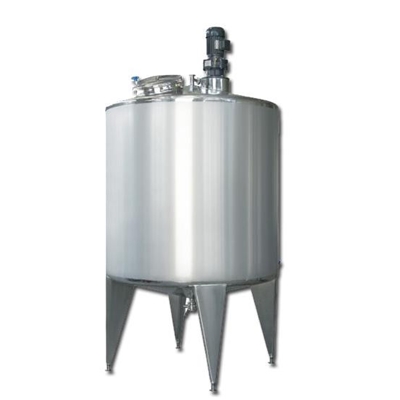
Resin reactor is generally a vertical reactor, which is composed of tank, upper and lower heads, agitator, transmission device, shaft encapsulation device, leg/seat, etc. It can also be set up metering device according to process requirements.
Resin reactor tank, flange and agitator are usually made of stainless steel according to requirements. Carbon steel can also be used for manufacturing in order to save cost without affecting material characteristics.
Flange bolt connection or direct welding can be used for the tank body and upper head of resin reactor. The top head of the reactor can be equipped with inlet and outlet, vent, mirror spotlight, solid feeding outlet, pressure gauge, thermometer and other nozzles. The upper part of the tank cover of the reactor is equipped with a drive device (motor or reducer), and the drive shaft drives the agitator in the agitator tank for mixing reaction.
Shaft packages can be mechanically sealed or packed. Mechanical seals are water-cooled mechanical seals, 204 mechanical seals, 205 mechanical seals, 101 mechanical seals. Packing seals include packing seals and felt seals.
The agitator of resin reactor can be equipped with slurry type, anchor type, frame type, screw type, push type and other forms. It can be designed and manufactured according to different production process requirements.
Resin reactor can be heated, cooled and controlled at constant temperature according to the technological requirements of resin synthesis. Resin reactor provides conditions for temperature, pressure and vacuum of resin reaction.

Anhui Xiangpai Machinery Manufacturing Co., Ltd. Copyright Anhui ICP Prepared 16011478-2 Disclaimer